Biomechanics
Improve movement quality.
- Alignment and range of motion
- Motor control
- Balance and stability
- Compensation awareness

Systems-based training
The right adjustment in movement, load, recovery, or routine can change the performance of the whole system.
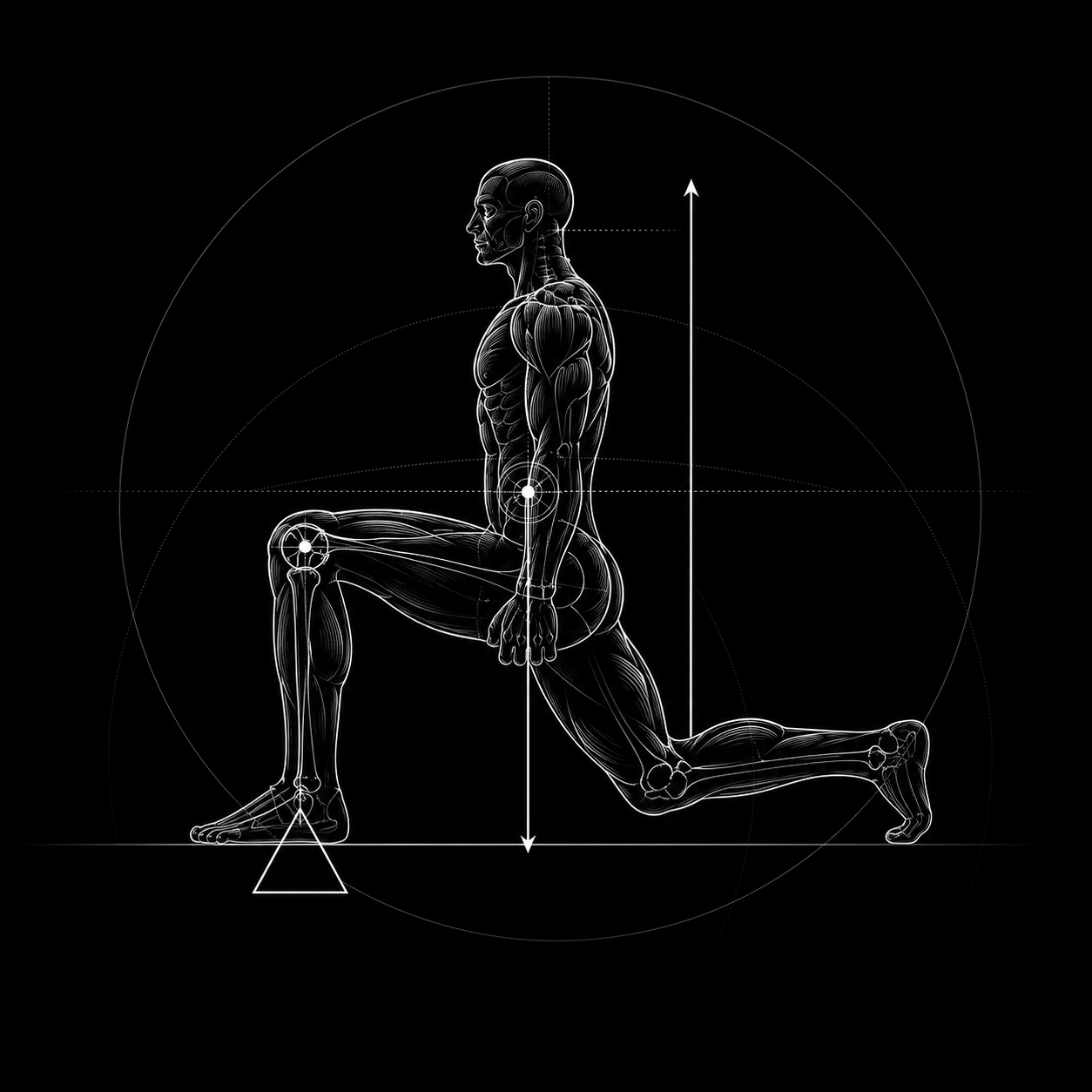
The framework
A fulcrum changes the output of force by changing the point of leverage. Training works similarly: a precise change in the right place can improve the function of the whole.
Improve movement quality.
Build strength and capacity.
Make progress repeatable.
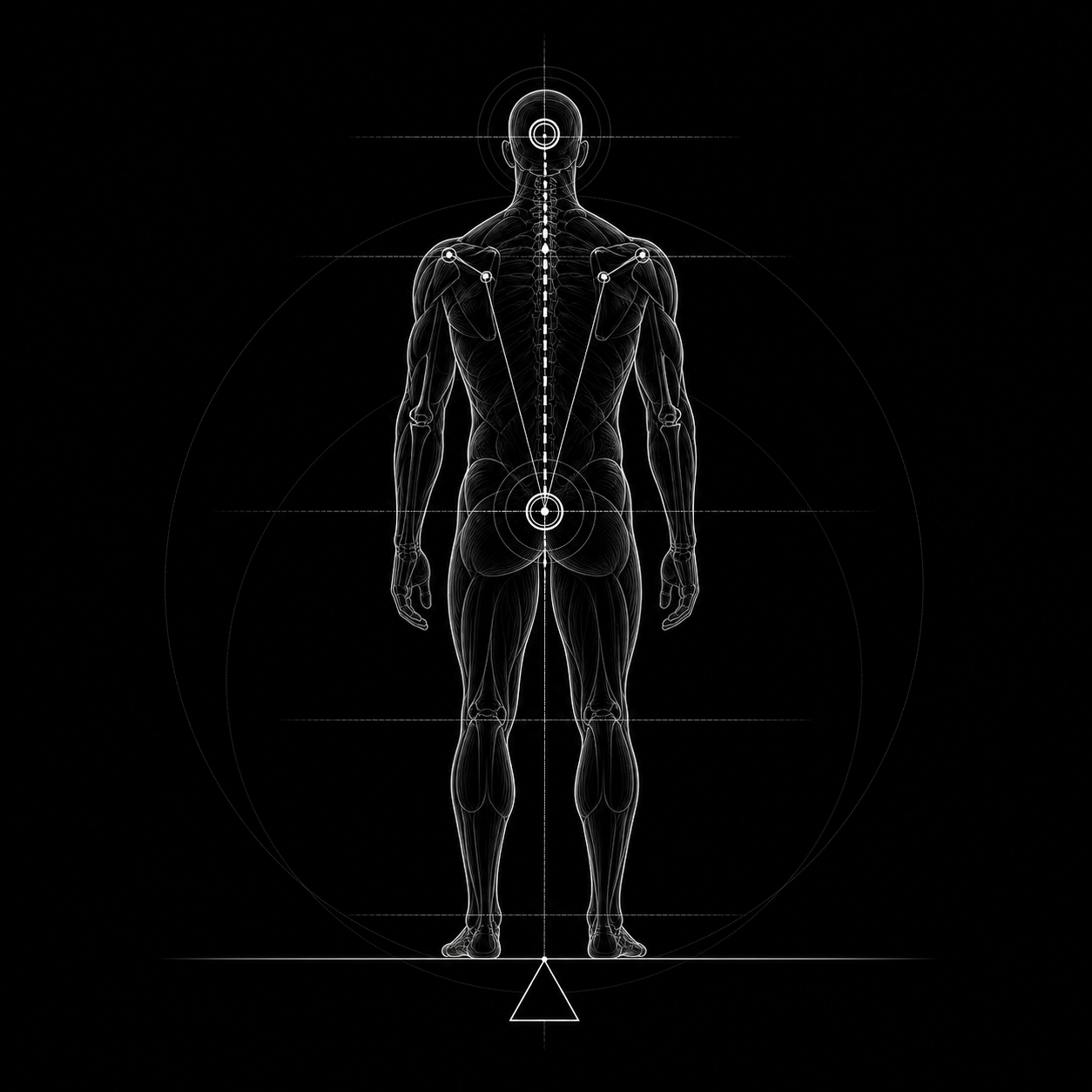
Biomechanics
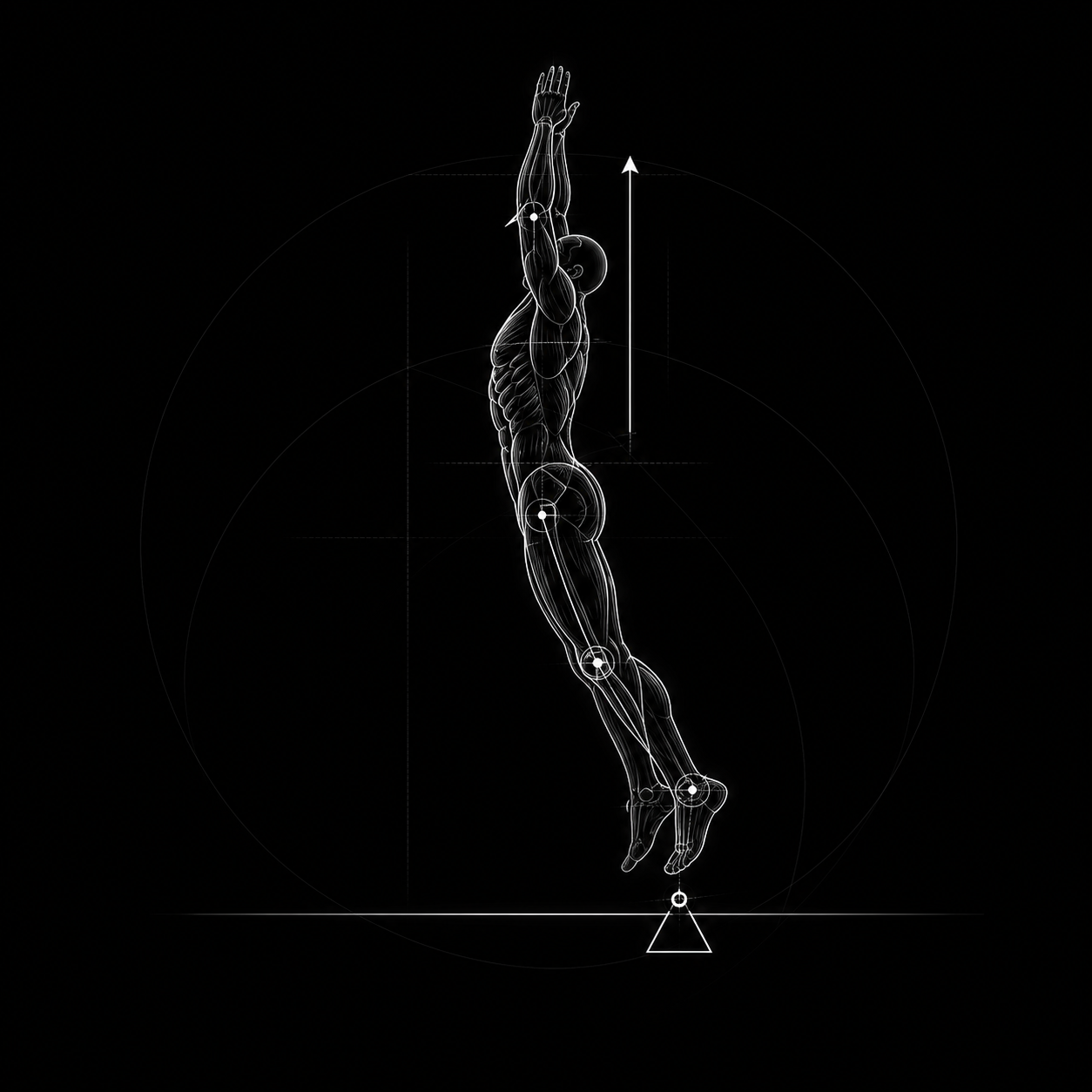
We assess how you control foundational patterns, then use exercise selection, range, tempo, support, and cueing to improve efficiency and confidence.
The aim is not a single "perfect" shape. It is to expand useful options and develop control that supports your goals.
Physiology
Strength, conditioning, tissue resilience, and recovery develop through progressive exposure - not random intensity.
Your program balances enough challenge to create change with enough recovery to adapt. Load, volume, exercise complexity, and pace progress together.
Behavior
A strong program still has to fit real life. We identify barriers, design useful accountability, and build the skills needed to continue with less dependence over time.
Establish readiness and a meaningful baseline.
Build control and useful movement options.
Apply challenge in a progressive dose.
Allow capacity and confidence to develop.
Refine the plan as the system changes.
Your system